

Pioneering work
Prof Costello pioneered robotic surgery in Australia. In 2003 he performed the first open radical prostatectomy using robotic surgery in Australia. This was performed at Epworth Hospital which was then the fifth machine in the world. He now is into his fifteenth year of experience at the Richmond campus, where there have been over 2,600 cases of robotic radical prostatectomy performed.
Scroll down
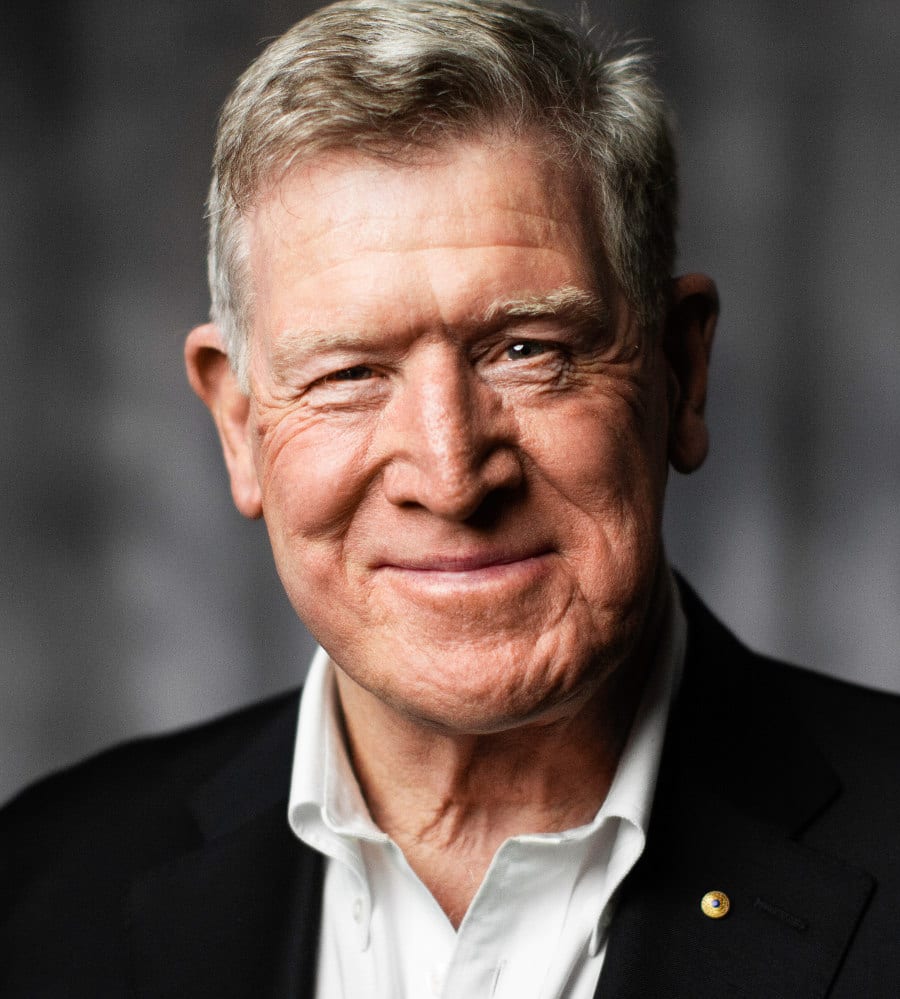
Professional Practice
Director of Urology at the Royal Melbourne Hospital 1999 – 2021
Previous Head of Unit at St Vincent’s Hospital 1991-1999
Executive Director of the Australian Prostate Centre – Parkville Medical Precinct
Awarded Order of Australia Medal for ‘Service to Medicine in the field of urology as a clinician, administrator and author, to cancer research and to medical education.
Private Practice in North Melbourne and operates at Epworth Hospital Richmond.
Director and CEO at Australian Medical Robotics Academy.
Pioneered Australian Robotic Surgery
In 2003 Professor Costello worked with Denis Hogg, then CEO of Epworth Hospital, to bring to Australia and establish the first robotic surgery unit at Epworth Richmond
Performed the first robotic surgery in Australian at Epworth Hospital in Melbourne
Conducted training courses at the American Urological Association for American and International surgeons.
Performed over 2,600 robotic radical prostatectomies in the Public and Private Hospital System.
Facilitated the purchase of the first three public system robots in Australia through philanthropic donations.
Published and presented peer reviewed data on personal radical robotic prostatectomy series.
Established the world’s largest tissue bank of prostate cancer specimens which is now 1 of 3 sites in the world working on the Human Genome Project.
International Standing
The first Australian invited to membership of the prestigious American Association of Genitourinary Surgeons – https://www.aagus.org/
This group is made up of the chiefs of North America, Canada & Europe’s leading University Hospitals who are regarded as key opinion leaders in the field of genitourinary conditions, treatment and research
Awarded the St Paul’s Medal by the British Association of Urological Surgeons (BAUS) for service to urology internationally.
First Honorary Life Member of the Royal College of Surgeons in Ireland in recognition of services to urology.
Runs Internationally recognised surgical fellowships in Robotics and Cancer Surgery. Alumnus from 20 countries. 150 fellows to date.
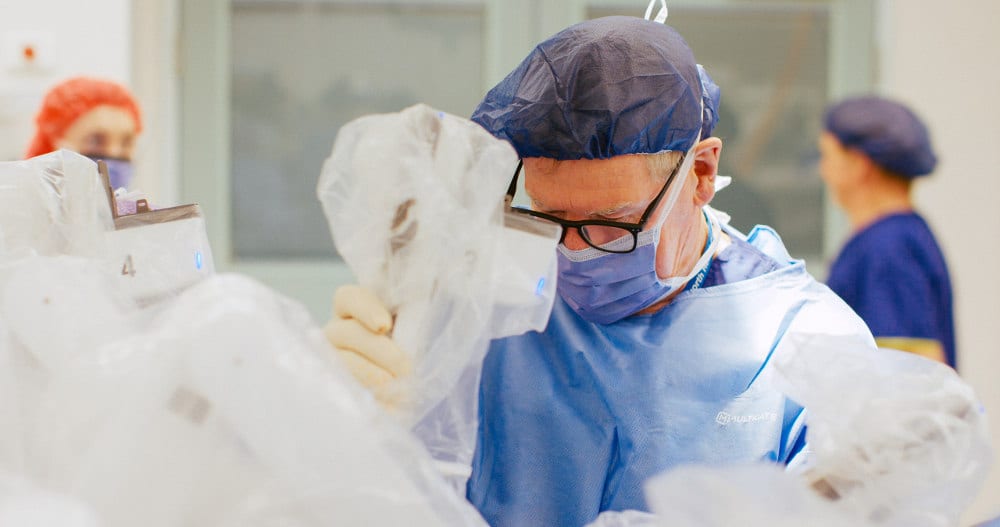
One of the world’s
leading urologists
30
Years of Experience
2600
Robotic radical prostatectomies
Leadership
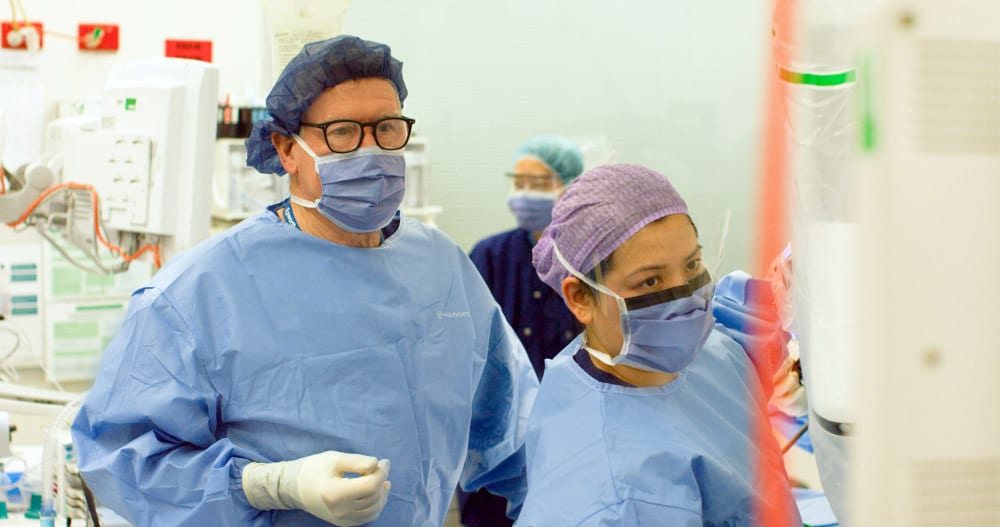
Prof Tony Costello is an invited faculty member of the American Urological Association where annually he teaches aspects of robotic surgery to an international audience. He is also on the Editorial Board of the US publication Journal of Robotic Surgery, the British Journal of Urology and the Journal of Endourology.
Prostate cancer is the number one male cancer in Australia. It is the second commonest cancer death in men in this country. In the year 2015 there were approximately 2,700 deaths from prostate cancer and 12,000 cases of prostate cancer were diagnosed.
Vision
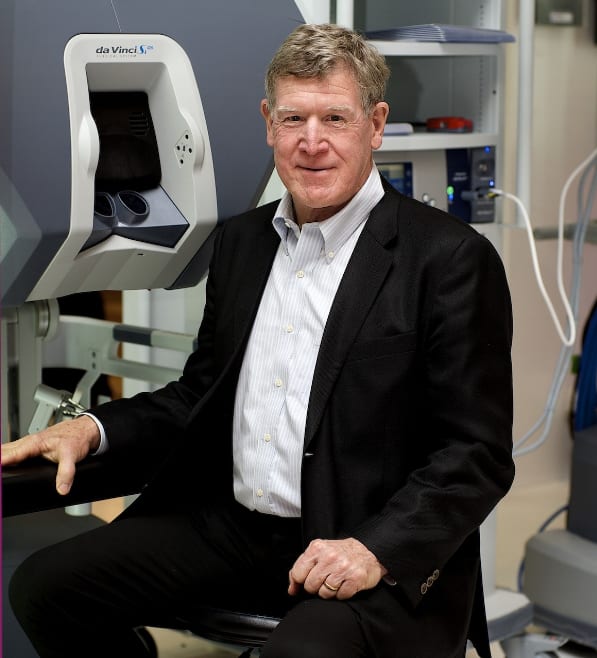
At present it takes 8 to 10 years to fully train one surgeon. The opportunity to apply computer based teaching may lead to a shorter time to technical accomplishment for young surgeons.
On an individual patient basis there is a proven case for replacing open and laparoscopic (key-hole) surgery with robot assisted surgery which can reduce post-operative complications by up to 50%.
In most cases robotic assisted surgery results in reduced blood loss, early hospital discharge and early return to normal activity.